Systems FAIL Not From Technology,
But From Implementation!

Your Zoho implementation exists, yet teams still work outside the system in spreadsheets and emails every single day. Your Mainframe continues powering critical operations, but modernization, migration, and decommissioning initiatives never move forward at scale. Your SAP went live, yet business processes remain disconnected across teams and departments.


These aren't technology problems. They're alignment problems — and they're FIXABLE.
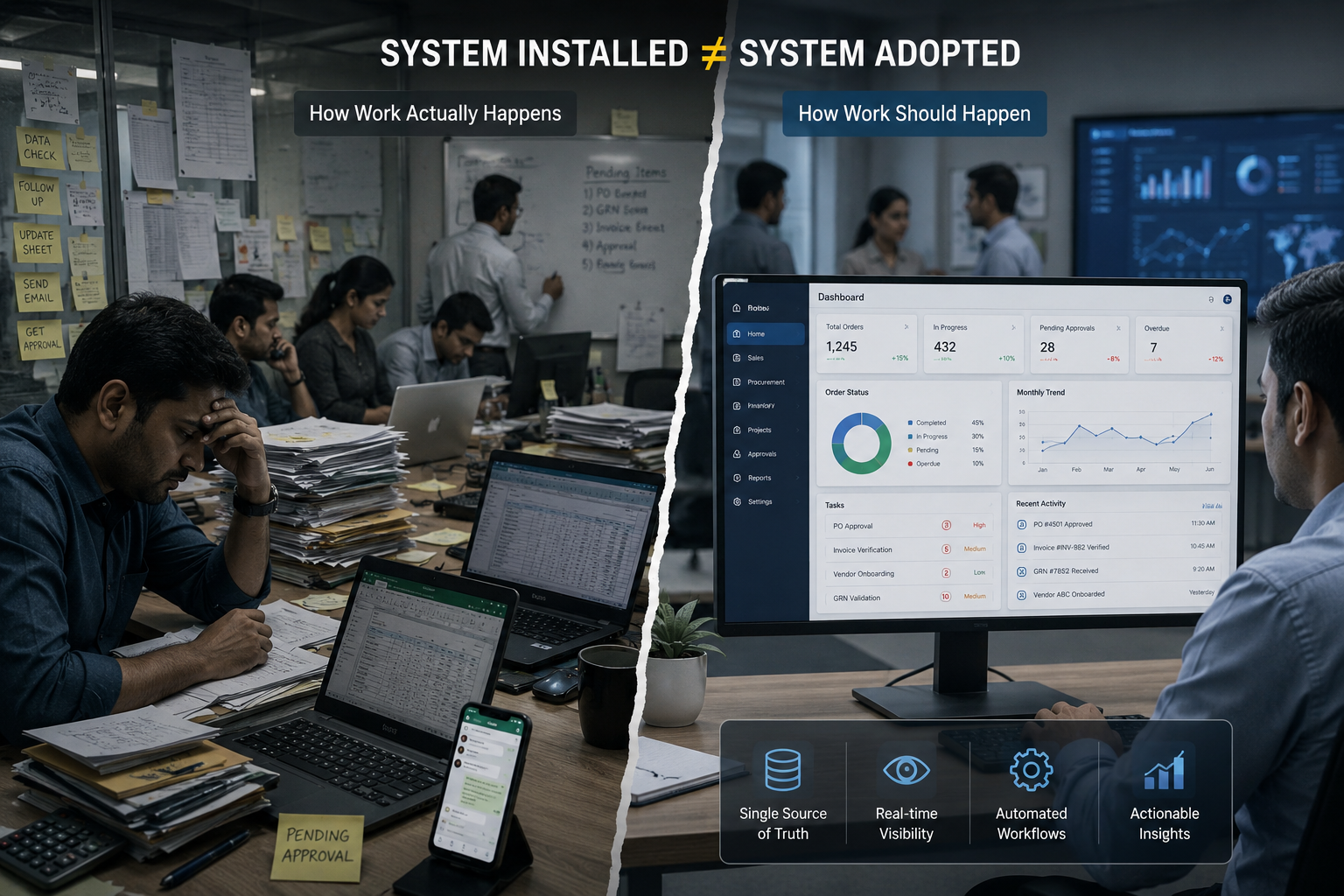
Enterprise systems in practice

The System vs Execution Gap

When systems are implemented, they're designed for ideal workflows. But real businesses have exceptions, habits, approval layers, and urgent workarounds that the implementation never fully considered.

The result: Teams start working outside the system. They use WhatsApp instead of Zoho, continue depending on legacy Mainframe workflows outside modernization initiatives, and rebuild SAP reports in Excel. The system exists but the business still doesn't run on it.

At GBT, we've seen this pattern repeatedly in live systems that nobody uses, and in implementations that were set up to fail before they started.

What This Looks Like In Practice

Zoho Friction

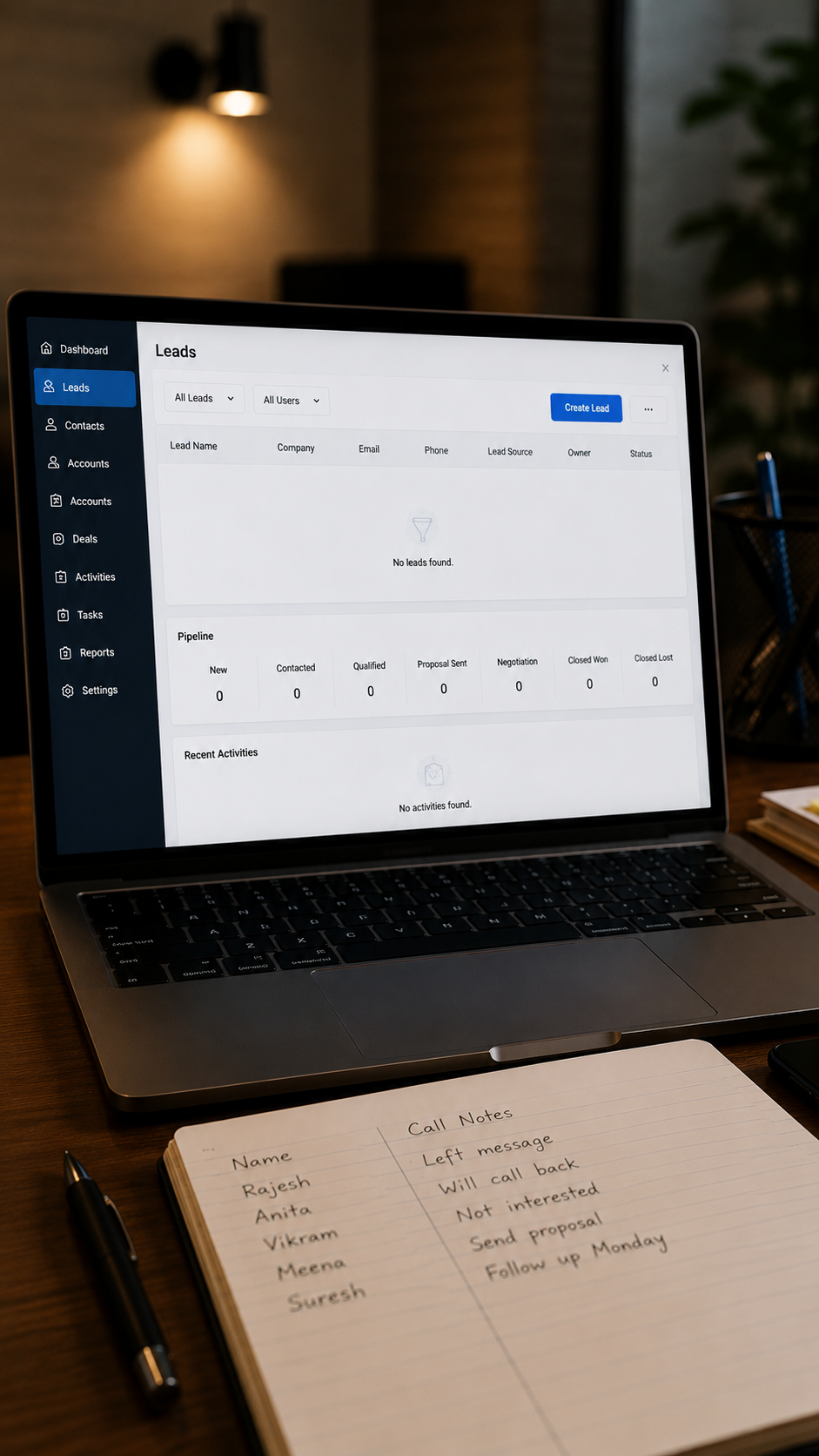
The situation: A mid-size distributor implemented Zoho CRM six months ago. The sales team logs calls inconsistently. Leads go cold because follow-ups aren't tracked. Finance still reconciles orders in a separate spreadsheet because Zoho Books wasn't configured to match how they invoice.

What went wrong: The CRM was set up based on a default template, not the company's actual sales process. Nobody was trained on the pipeline stages that matter to this business. Books was deployed without mapping to existing billing workflows.

How We Fix It
Zoho in practice
Mainframe Friction

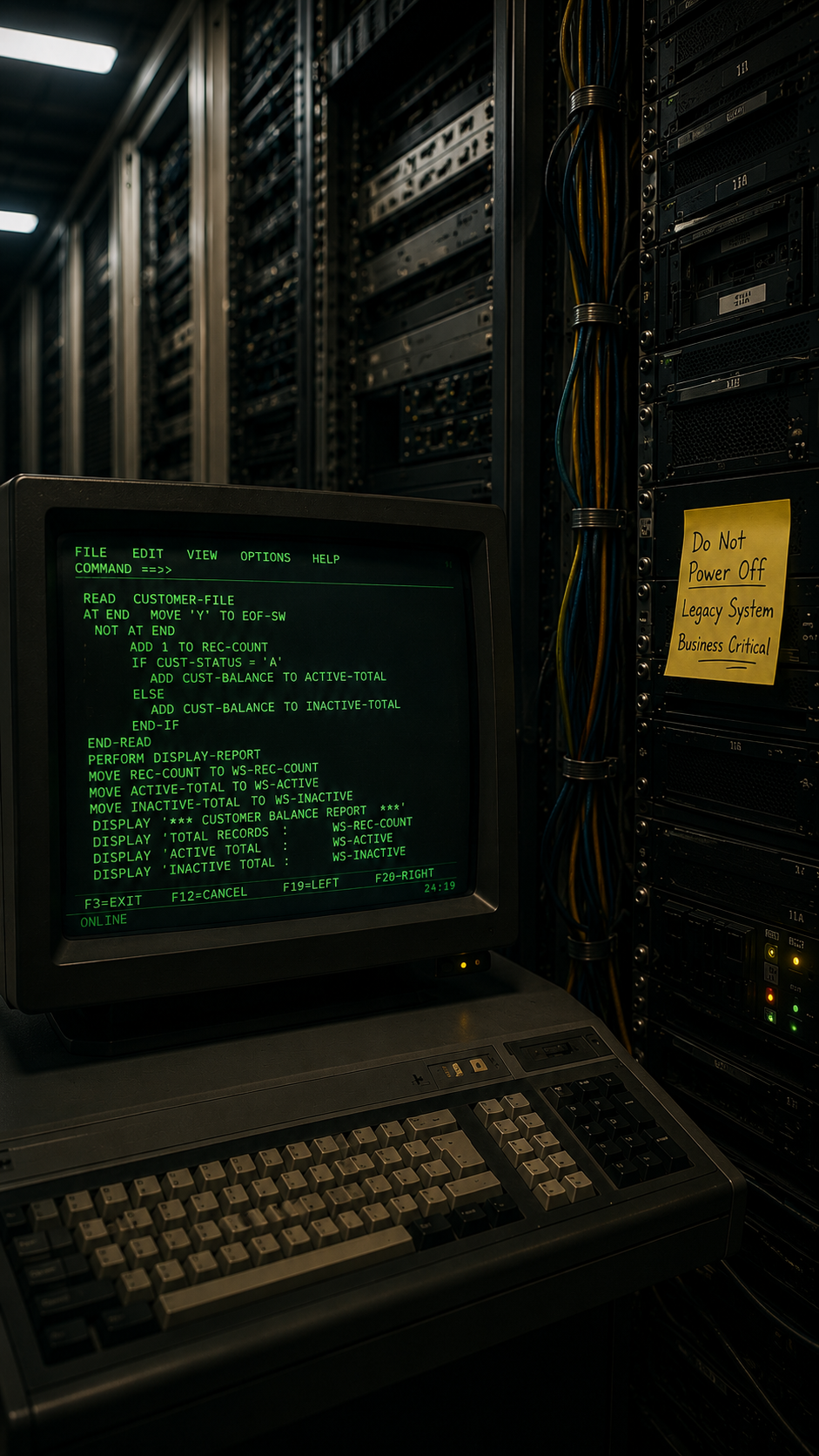
The situation: A 20-year-old COBOL application handles the core order processing for a regional BFSI firm. It works but, it can't integrate with modern APIs, the team that built it has retired, and every change request is a 6-week project involving two contractors who charge by the day.

What went wrong: Nothing went wrong originally. The system served its purpose. But technology moved, and the business is now held hostage by infrastructure it can't modify, document, or extend.

How We Fix It
Mainframe in practice
SAP Friction

The situation: A manufacturing firm running SAP Business One has a reporting problem. Their production team needs daily inventory and procurement reports, but the standard SAP reports don't match their cost centres. The IT team doesn't have ABAP capability in-house. Leadership is making decisions on week-old data.

What went wrong: SAP B1 was implemented by a vendor who handed it over and walked away. No custom reporting was built. No one owns the system internally. Every enhancement request sits in a backlog.

How We Fix It
SAP in practice
Workflow Friction

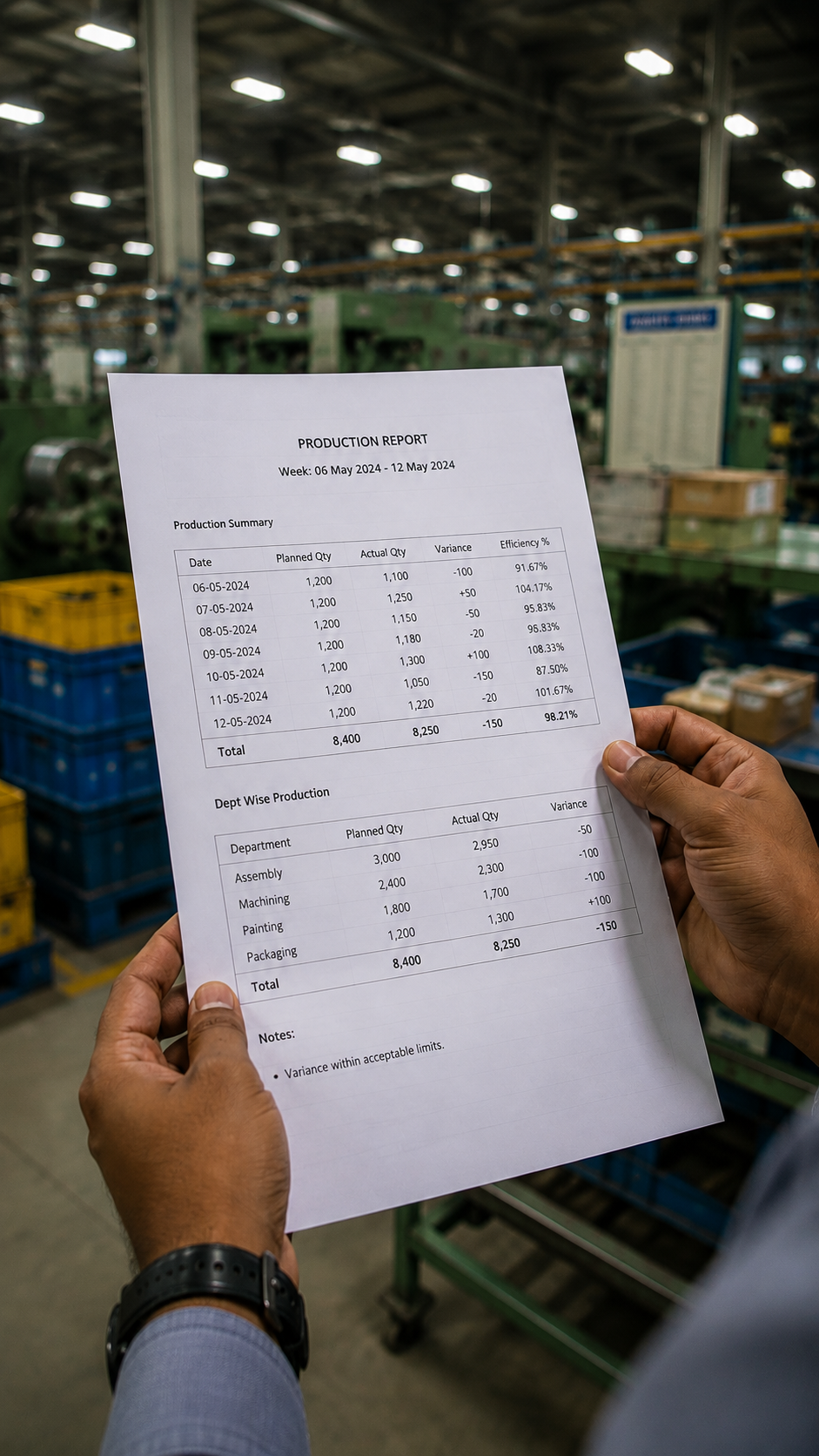
The situation: A paper mill managed production planning through spreadsheets, with teams spending 8–12 hours daily manually assigning paper grades, dimensions, and cutting patterns across changing customer orders. Any small change triggered hours of replanning.

What went wrong: Standard ERP tools manage inventory and orders separately, but don't solve the critical matching problem — assigning the right stock, sequence, and cutting pattern to each order. That gap created waste, delays, and hours of manual planning.

How We Fix It
Workflow in practice
"Trusted by 50+ organizations to align technology with real business operations"
Talk to Us See How We Fix It

No pitch call — We review your setup and send you a written assessment first.